Fair housing compliance is not optional — even for small landlords.
Many landlords believe fair-housing laws only apply to large apartment complexes or professional management companies. This is a dangerous misconception. In West Virginia, fair-housing laws apply to nearly all rental housing, including single-family homes, small multi-unit properties, and owner-managed rentals.
Violations — whether intentional or accidental — can result in serious consequences. Complaints may trigger investigations, fines, legal fees, and reputational damage. Understanding fair housing is not about political correctness. It is about risk management.
The foundation of fair-housing law.
Fair-housing laws prevent discrimination in advertising, screening, leasing, and renewals. At the federal level, the Fair Housing Act establishes protected classes. West Virginia enforces these federal protections and may add additional scrutiny through state and local agencies.
The most important thing landlords must understand: intent does not determine a violation — impact does. A landlord can violate fair-housing laws without intending to discriminate. That is why education and consistent processes matter so much.
Protected classes under fair-housing law.
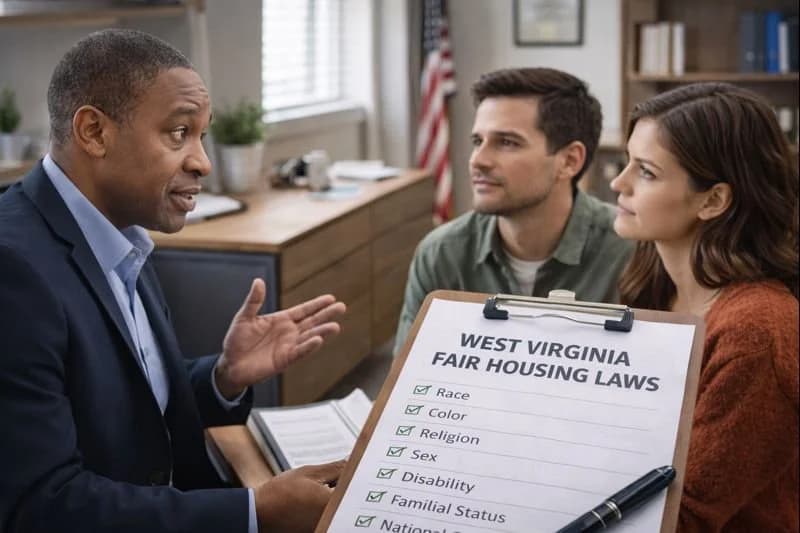
Federal fair-housing law prohibits discrimination based on:
- Race
- Color
- Religion
- Sex
- National origin
- Disability
- Familial status
These protections apply throughout the entire rental process — from advertising to move-out.
Advertising: where many violations begin.
Advertising is one of the most common areas where fair-housing violations occur. Seemingly harmless phrases can raise red flags. Statements that imply preference or exclusion — intentionally or not — can be interpreted as discriminatory. The safest approach is to describe the property, not the person you want to rent it to.
Screening criteria must be objective and consistent.
Landlords are allowed to screen tenants — but they must do so consistently and based on objective criteria. Problems arise when landlords apply standards differently between applicants, make exceptions without documentation, or rely on subjective "gut feelings." Inconsistent screening is one of the fastest ways to invite a fair-housing complaint.
Disability accommodations and reasonable modifications.
Landlords must make reasonable accommodations for tenants with disabilities — which may include allowing assistance animals, adjusting policies, or permitting certain modifications. What matters is reasonableness, not convenience. Many disputes escalate simply because landlords misunderstand their obligations. Clear processes and education reduce risk dramatically.
Familial status and occupancy rules.
Familial-status protections apply to households with children. Landlords cannot refuse to rent, impose different terms, or discourage families with children from applying. Occupancy limits are allowed — but they must be reasonable and based on safety or local code, not preference.
Fair housing and tenant disputes.
Fair-housing issues often surface during disputes, not at move-in. Complaints about enforcement, maintenance, or renewals may include discrimination allegations. This is why structured, documented dispute resolution matters. See Resolving Tenant Disputes Without Legal Action in West Virginia for the framework we use.
The cost of fair-housing violations.
Fair-housing violations are expensive even when landlords prevail. Costs may include legal representation, lost rental income, increased insurance premiums, and reputational damage. These risks fall squarely into the hidden costs every landlord should plan for. Compliance is far cheaper than defense.
"I didn't know" is not a defense.
Fair-housing enforcement agencies do not require landlords to understand the law perfectly — but they do expect reasonable effort and compliance. Claiming ignorance rarely protects landlords. Courts and agencies expect owners to educate themselves or seek professional guidance.
How professional management reduces fair-housing risk.
Professional property managers are trained in fair-housing compliance. They use standardized processes, documented screening criteria, and consistent enforcement. They also act as buffers between landlords and tenants, reducing the likelihood that personal interactions create perceived bias.
Practical steps landlords can take today.
- Use standardized advertising language
- Apply written screening criteria consistently
- Document all decisions
- Avoid subjective explanations
- Seek professional advice when unsure
Final thoughts: fair-housing compliance is asset protection.
Fair-housing laws are not obstacles to rental success — they are safeguards. Compliance is not about limiting choice. It is about applying standards fairly and consistently.
This article is for educational purposes only and is not legal advice. Fair-housing law is complex and varies based on individual circumstances. Always consult a licensed attorney familiar with West Virginia landlord-tenant law before making decisions that affect compliance.