
How landlords can reduce conflict, protect cash flow, and avoid court.
Tenant disputes are not just inconvenient — they are expensive. Even minor disagreements can escalate into withheld rent, property damage, legal threats, or eviction proceedings if handled poorly. In West Virginia, where court timelines and legal costs can quickly erode profits, avoiding legal action whenever possible is a smart business decision.
The most common tenant disputes in West Virginia rentals.
Maintenance disagreements are the most common. Rent-related disputes are another major source of conflict. Unauthorized occupants, pet violations, noise complaints, and cleanliness issues also generate frequent tension. The key is recognizing that these disputes are structural, not personal. They arise from unclear systems, not bad tenants.
Why clear leases prevent most disputes before they start.
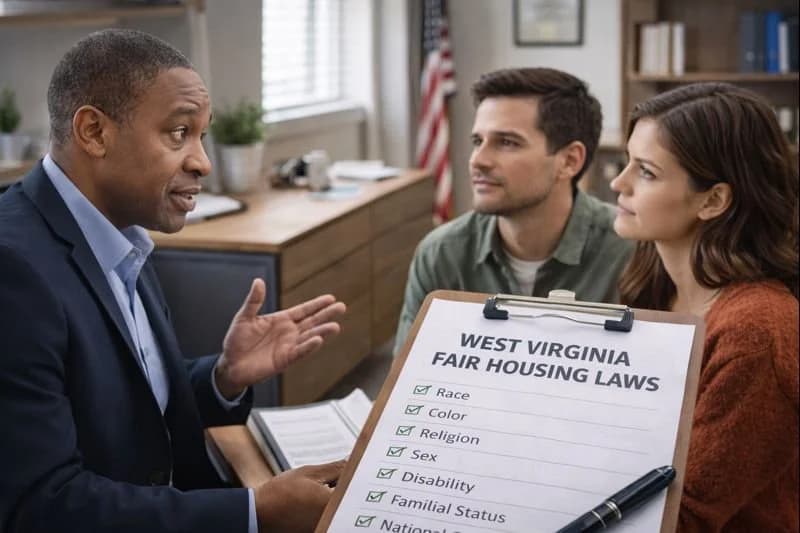
Many disputes can be traced back to the lease itself. Vague language, missing policies, or inconsistent enforcement create confusion and resentment. When the lease is clear, enforcement feels fair rather than arbitrary. See how to write a tenant-friendly lease that still protects owners.
Communication: the most powerful dispute-resolution tool.
Most disputes escalate because communication breaks down. Tenants feel ignored. Landlords feel disrespected. Professional communication follows three principles:
- Respond promptly
- Stay factual
- Reference written policies
Acknowledging a tenant's concern does not mean agreeing with it. A simple response confirming receipt and outlining next steps often diffuses tension immediately. Silence almost always escalates conflict.
Documentation: your silent advocate.
Documentation protects landlords even when disputes remain informal. Every maintenance request, notice, inspection, and warning should be recorded. If a dispute does escalate, documentation provides a factual timeline that courts respect.
Maintenance disputes: setting expectations and timelines.
Maintenance issues are emotional because they involve comfort and safety. Tenants want immediate solutions. Landlords must balance urgency, cost, and practicality. Clear response timelines, emergency definitions, and request procedures reduce frustration. When tenants see consistent upkeep, they are more patient when issues arise.
Rent and fee disputes: remove emotion, enforce consistently.
Rent disputes escalate quickly when handled inconsistently. Waiving late fees "just this once" or accepting partial payments without documentation creates expectations that are hard to reverse. Professional landlords treat rent enforcement as policy-based, not personal. Consistency builds credibility.
Unauthorized occupants and pet violations.
Resolution starts with documentation and reference to lease terms. Landlords should avoid accusations and instead focus on compliance. Providing clear timelines for correction often resolves the issue without further conflict.
When to escalate — and when not to.
Escalation is appropriate when lease violations continue despite notice, rent remains unpaid after proper communication, or property damage or safety risks exist. Escalation is usually unnecessary when misunderstandings can be clarified, minor violations are corrected promptly, or communication remains productive.
The financial cost of poor dispute resolution.
Poorly handled disputes increase vacancy, turnover, legal exposure, and repair costs. Many of these costs are hidden and only become obvious when cash flow suffers. Preventing disputes is one of the most effective cost-control strategies landlords have.
Why professional property management reduces conflict.
Professional property managers act as neutral third parties. Tenants are often more receptive to enforcement when it comes from a manager rather than an owner. Managers follow structured processes, document consistently, and remove emotion from interactions.
Final thoughts: dispute resolution is a skill, not a reaction.
Tenant disputes are inevitable. Escalation is not. Resolving disputes without legal action is not about being lenient — it is about being strategic.