
Why the lease is the most important document a landlord uses.
For landlords in West Virginia, the lease agreement is not just a formality — it is the foundation of the entire landlord-tenant relationship. Nearly every dispute involving rent, maintenance, pets, move-outs, or eviction traces back to how the lease was written, explained, or enforced.
A tenant-friendly lease does not weaken landlord protections. In fact, clear and balanced leases reduce disputes, improve tenant behavior, and increase lease renewals. The goal is not to give up control — it is to eliminate confusion.
Understanding lease requirements under West Virginia law.
West Virginia does not mandate a specific lease format, but courts consistently favor clear, reasonable, and consistently enforced agreements. Ambiguous language almost always benefits the tenant in a dispute. A strong WV lease should clearly define rent obligations and timing, maintenance responsibilities, occupancy limits, pet policies, termination procedures, and consequences for lease violations.
Writing clear rent and payment terms.
Rent issues are the most common source of landlord-tenant disputes. The lease should explain exact rent amount, due date, grace period (if any), accepted payment methods, late fees, and when they apply. In West Virginia, late fees must be reasonable and clearly disclosed. Avoid vague phrases like "rent is due monthly" or "late fees may apply." Precision protects both sides.
Maintenance responsibilities: where most leases fail.
West Virginia law requires landlords to provide habitable housing, including working plumbing, heat, electricity, and structural safety. But tenants also have responsibilities — something many leases fail to explain. A strong lease outlines what the landlord is responsible for repairing, what the tenant is expected to maintain, how maintenance requests should be submitted, and what qualifies as an emergency. For the legal baseline, see what does my landlord need to fix in West Virginia.
Emergency vs. non-emergency repairs: why definition matters.
True emergencies typically include no heat during winter, active water leaks, electrical hazards, and sewage backups. Non-emergencies include cosmetic issues, appliance performance concerns, and routine wear and tear. By defining this clearly in the lease, landlords reduce after-hours calls and improve response efficiency.
Pet policies that protect property and stay fair-housing compliant.
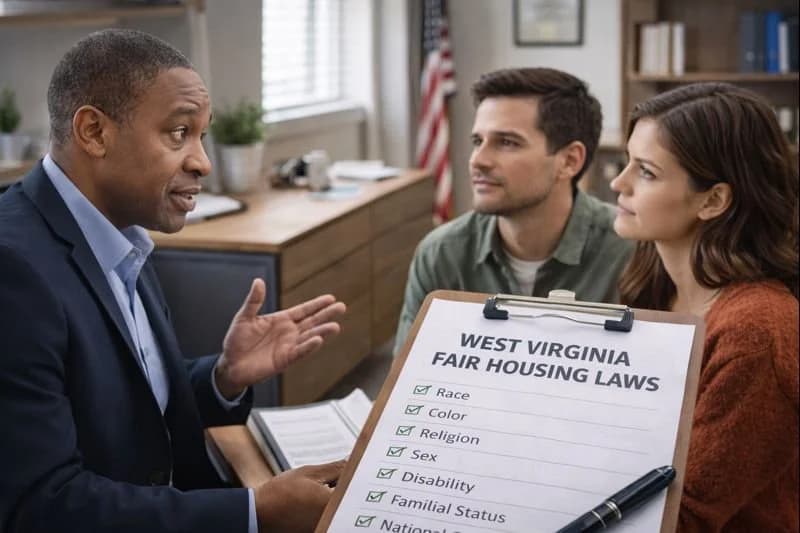
While landlords may prohibit pets, service animals and emotional-support animals are not considered pets under federal law. Leases must reflect this distinction to avoid discrimination claims. A well-written lease explains whether pets are allowed, approved pet types or sizes, pet fees versus pet rent, and tenant responsibility for pet damage.
Occupancy limits and unauthorized tenants.
A tenant-friendly lease explains who is authorized to live in the unit, how long guests may stay, and when a guest becomes an unauthorized occupant.
Lease length, renewals, and termination clauses.
The lease must clearly state start and end dates, renewal terms, and notice requirements for termination. In West Virginia, notice requirements must be reasonable and consistently applied. Clear renewal terms reduce vacancy and improve retention.
Security deposits and move-out expectations.
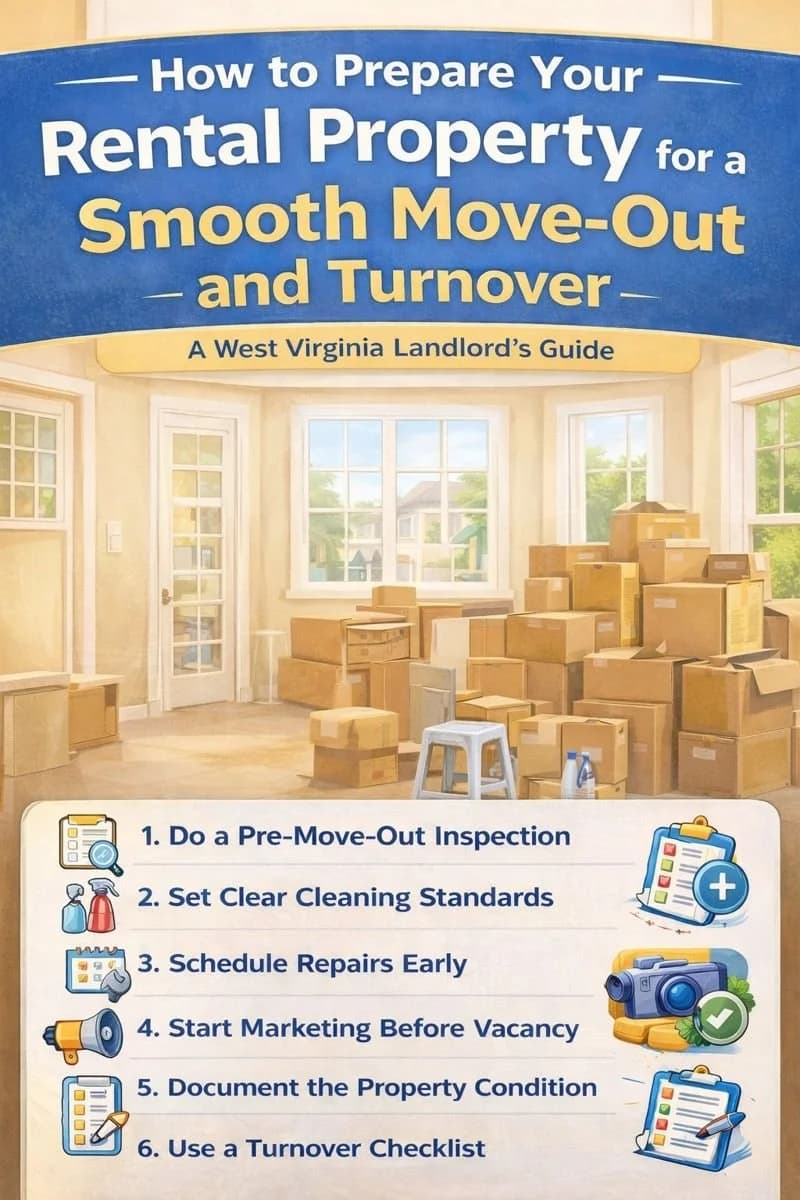
A strong lease explains deposit amount, conditions for deductions, cleaning standards, and move-out inspection procedures. See also 7 features of West Virginia leases for the WV-specific statutory items.
Why professional management improves lease outcomes.
Professional managers stay current on legal changes, fair-housing compliance, and enforcement best practices. More importantly, they act as neutral third parties — tenants are often more receptive to lease enforcement when it comes from a manager rather than an owner.
Final thoughts: clarity is the best protection.
Tenant-friendly leases are not weak. They are clear, structured, and enforceable. For West Virginia property owners, the lease is not just paperwork — it is risk management.
This article is for educational purposes only and is not legal advice. Lease language and enforcement vary based on individual circumstances. Always consult a licensed West Virginia attorney before adopting any lease.