A clear guide to WV repair laws, reasonable timelines, and realistic expectations.
Whether you're renting in Charleston, Huntington, Beckley, Morgantown, or anywhere else in West Virginia, state law gives you certain protections when it comes to repairs. But not all issues are treated the same. Some repairs are legally urgent, others are important but not emergencies, and some are purely cosmetic and can be delayed without violating any law.
Understanding these categories helps both tenants and property owners set fair expectations and avoid unnecessary conflict. Here's a straightforward breakdown based on West Virginia's landlord-tenant laws, including WV Code §37-6-30.
1. Legally required repairs in West Virginia.
West Virginia landlords must provide a home that is safe, sanitary, and livable. This is known as the "implied warranty of habitability," and it applies to every rental unit in the state.
- Heat (critical during West Virginia winters)
- Hot water
- Running water
- Working electricity
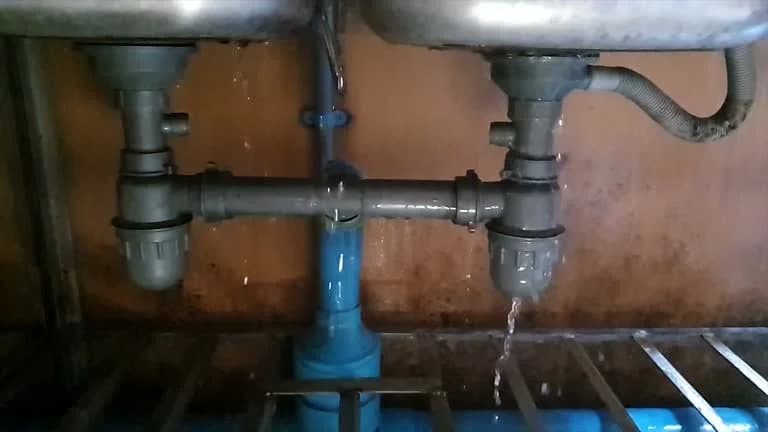
- Functional plumbing and sewage systems
- Roof leaks or structural leaks
- Broken exterior doors or windows that prevent proper locking
- Unsafe stairs or handrails
- Electrical hazards
- Mold caused by leaks or structural issues
- Collapsing ceilings or unstable flooring
- Rodent or insect infestations not caused by tenant neglect
- Working smoke detectors and carbon monoxide detectors (if the property has gas appliances or an attached garage)
If these issues occur, the landlord must address them within a reasonable timeframe. In cases involving heat outages, electrical hazards, or active water leaks, "reasonable time" is typically understood as 24–72 hours.
When a delay becomes unacceptable.
A delay becomes unreasonable when the problem affects habitability, the issue threatens safety, the landlord ignores written requests, the repair is started but abandoned, or no progress is being made to arrange contractors or obtain parts. If a landlord is actively working on the problem — calling contractors, waiting on ordered parts — this is within their rights, even if the solution takes time.
2. Semi-urgent repairs (important, but not emergencies).
These repairs matter and should be addressed, but they do not make the home uninhabitable. Delays are allowed as long as the issue does not worsen or cause secondary damage.
- Air conditioning problems (A/C is not legally required in WV)
- Appliances that came with the unit but still partially work
- Slow drains that still function
- Minor leaks that are contained and not damaging structure
- Garage door problems
- Intermittent electrical outlets when others still operate
- Damaged screens
- Noisy HVAC systems
- Loose door handles or interior hardware
These issues are typically handled within 1–3 weeks, depending on contractor availability and budget.
3. Cosmetic or optional repairs.
Cosmetic wear and tear does not affect health or safety, so West Virginia law does not require landlords to address these quickly — or sometimes at all.
- Paint touch-ups
- Nail holes or minor scuffs
- Older carpet or flooring that is worn but functional
- Scratched hardwoods
- Outdated fixtures or appliances that still work
- Cosmetic landscaping
- Small drywall cracks
- Aesthetic upgrades
It may feel frustrating when cosmetic items sit unaddressed, but if they do not affect safety or habitability, the landlord has no legal obligation to prioritize them.
4. Tenant responsibilities in West Virginia.
Under WV law, tenants must:
- Keep the property reasonably clean
- Dispose of garbage properly
- Avoid damaging plumbing or electrical systems
- Replace simple items like light bulbs
- Report maintenance issues in a timely manner
- Use appliances and fixtures properly
If a tenant causes damage through misuse, the landlord is not required to repair it for free.
Final thoughts.
A landlord who is working toward a solution — communicating, scheduling, ordering parts — is acting within their rights even if repairs take time. Understanding these categories helps reduce frustration and ensures both tenants and landlords know where the legal lines are drawn.
This article is for educational purposes only and is not legal advice. Always consult a licensed West Virginia attorney if you have questions about your rights or obligations under a specific lease.