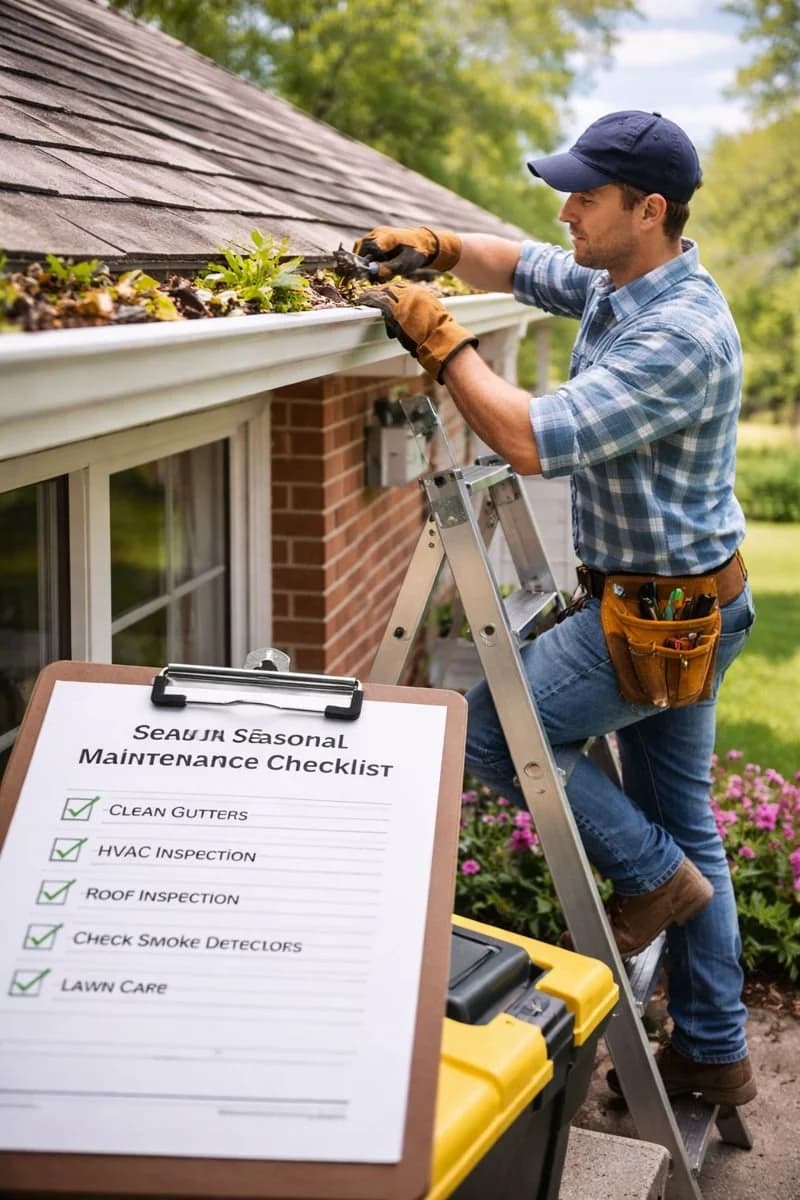
Why seasonal maintenance matters for West Virginia rental homes.
Charleston, West Virginia experiences a wide range of weather conditions throughout the year. Hot, humid summers, freezing winter temperatures, heavy rainfall, and fluctuating seasonal conditions all place stress on rental properties. Seasonal maintenance is not about cosmetic upkeep. It is about preventing damage, extending the lifespan of major systems, and protecting rental income.
Understanding Charleston's climate and its impact on rentals.
Charleston's location in the Kanawha Valley creates a climate that is particularly hard on buildings. High humidity levels increase the risk of mold and moisture damage. Frequent rainfall challenges roofs, gutters, and foundations. Winter temperatures regularly drop below freezing, increasing the risk of pipe bursts and heating-system failures. Older housing stock requires even more attention.
Spring maintenance: recovering from winter damage.
Spring is the most important maintenance season of the year. Winter exposes weaknesses in roofing, plumbing, heating systems, and exterior materials.
- Inspect the roof. Freeze-thaw cycles can loosen shingles, cause flashing failures, and expose leaks that were hidden during colder months.
- Clean gutters and downspouts. Clogged gutters are a leading cause of foundation issues and basement moisture in Charleston rental homes.
- Service the HVAC. Spring servicing prevents breakdowns during peak summer demand.
- Address moisture issues. Basements, crawl spaces, and bathrooms should be checked for signs of mold or excess humidity.
Summer maintenance: protecting the property during peak usage.
- Exterior maintenance. Trees and shrubs should be trimmed away from roofs, siding, and utility lines.
- Decks, porches, stairs, railings. Inspect for safety — many Charleston rental homes feature older porches that develop loose boards over time.
- Windows and screens. Broken screens lead to pest problems and tenant complaints.
- Pest control. West Virginia's warm months increase activity from insects and rodents. Address early to avoid infestations.
Fall maintenance: preparing rentals for winter conditions.
- Gutters, again. Clear leaves and debris before winter ice dams.
- Heating service. Tenants without heat during winter create habitability violations under West Virginia law. Emergency winter repairs are costly.
- Winterize plumbing. Exterior faucets and any exposed plumbing should be insulated.
- Air-seal windows and doors. Sealing drafts reduces tenant utility costs and strain on heating systems.
- Snow and ice plan. Set expectations before the first storm.
Winter maintenance: monitoring and emergency prevention.
Winter maintenance is less about active repairs and more about monitoring. Vacant units require particular attention — frozen pipes are more likely when heating systems are not consistently used. Tenants should be educated on winter best practices: keeping heat on, allowing faucets to drip during extreme cold, and reporting issues immediately. Ice and snow removal must be handled promptly to reduce slip-and-fall liability.
How seasonal maintenance reduces long-term costs.
A properly maintained HVAC system lasts longer and uses less energy. Clean gutters prevent foundation and roofing damage. Early detection of moisture issues prevents costly mold remediation. Emergency repairs are always more expensive than scheduled maintenance — many of them appear on the bill as hidden costs landlords didn't budget for.
Tenant satisfaction and retention through maintenance.
Properties that are consistently maintained experience fewer complaints, longer tenancies, and better reviews. When tenants see that a landlord or property manager is proactive, trust increases. Maintenance is not just a physical investment — it is a relationship investment.
Why professional property management makes a difference.
Professional management companies maintain structured maintenance calendars, trusted vendor relationships, and documented inspection processes. This ensures nothing falls through the cracks.
Final thoughts: maintenance is asset protection.
In a climate like Charleston's, reactive maintenance is expensive and unnecessary. The landlords who succeed long-term are the ones who plan ahead.