
Your relationship with a property manager is one of the most important you'll have as a landlord.
It needs to be built on professionalism, communication, and most importantly trust. Here in West Virginia, there are a few legal nuances to consider before signing on with a management company. These are the top 7.
1. Familiarity with West Virginia property laws and regulations.
Why it matters: West Virginia has specific rules around landlord-tenant relationships, security deposits, and eviction processes. A knowledgeable manager avoids legal pitfalls.
What to ask: Can you explain how you handle evictions, tenant communication, and security deposit returns?
2. Experience with local zoning and building codes.
Why it matters: Zoning laws and building codes vary by county and municipality in WV.
What to ask: How do you ensure compliance with local zoning and building codes?
3. Familiarity with the local eviction process.
Why it matters: Eviction laws in WV are generally favorable to landlords, but there are still specific steps including notice periods. A property manager should be able to walk you through those clearly.
What to ask: Can you walk me through your eviction process? How do you handle late payments or non-payment of rent?
4. Tenant screening process tailored to WV laws.
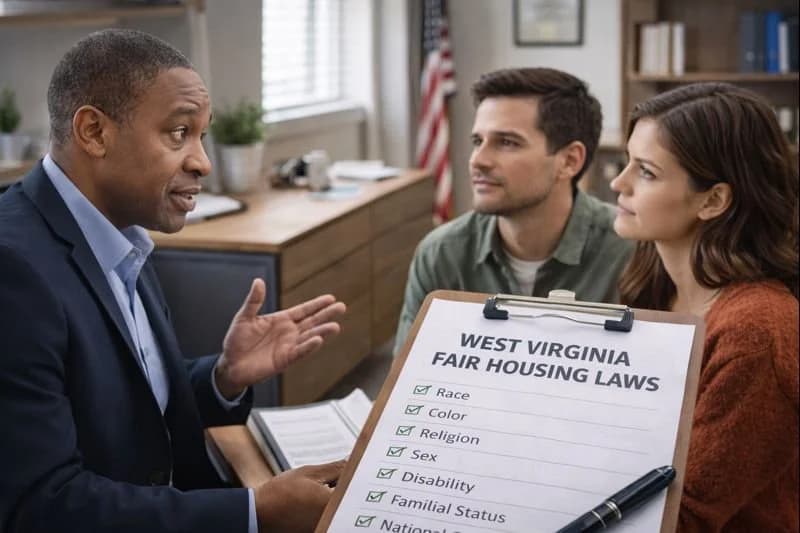
Why it matters: Tenant screening must be compliant with federal and state laws, including fair housing. See fair housing laws every WV landlord must know.
What to ask: How do you screen tenants for criminal background checks, creditworthiness, and rental history?
5. Comprehensive insurance knowledge.
Why it matters: Certain WV areas — particularly flood-prone — require specific insurance.
What to ask: Do you ensure properties are properly insured? Can you help navigate flood insurance?
6. Knowledge of local tax requirements.
Why it matters: Taxes in WV vary by locality, and rental income has its own treatment.
What to ask: Are you familiar with local property tax rates and rental income taxes in WV?
7. Ability to provide detailed financial reporting.
Why it matters: Owners need clear, accurate reporting for tax purposes, investment analysis, and general transparency.
What to ask: How do you provide financial reports? Can I access a portal showing rent collections, expenses, and maintenance costs?
Final thoughts.
These are the first steps in building a lasting and lucrative relationship with a property management company. If you'd like to know how we'd answer each of these questions, reach out — we're happy to walk through them with you.