
How a simple policy reduces risk, prevents disputes, and protects rental income.
Renters insurance is often treated as optional or unnecessary, especially in smaller markets like West Virginia. Many tenants assume the landlord's insurance covers their belongings, while many landlords avoid discussing renters insurance altogether out of fear it will complicate the leasing process. In reality, renters insurance is one of the simplest and most effective tools landlords can use to reduce risk, prevent disputes, and protect themselves financially.
What renters insurance actually covers (and what it doesn't).
A standard renters-insurance policy typically covers:
- Personal belongings damaged by fire, water, theft, or certain natural events
- Personal liability if the tenant causes damage or injury
- Temporary housing if the unit becomes uninhabitable due to a covered loss
What renters insurance does not cover is the structure itself. That responsibility remains with the landlord's insurance.
How renters insurance protects landlords — indirectly but powerfully.
When tenants carry renters insurance, claims related to personal property are redirected away from the landlord. Instead of blaming the property owner for lost belongings after a leak or fire, tenants work directly with their insurer. Liability coverage is another major benefit. If a tenant accidentally causes damage — such as a kitchen fire or overflow — renters insurance may cover part or all of the loss, reducing the landlord's financial exposure.
Reducing disputes before they start.
Many landlord-tenant disputes stem from misunderstanding rather than wrongdoing. After an incident, tenants often ask, "Who is responsible for this?" If renters insurance was never discussed, emotions escalate quickly. Encouraging renters insurance upfront prevents confusion later. This aligns closely with the principles in Resolving Tenant Disputes Without Legal Action in West Virginia.
Renters insurance and financial risk management.
Without renters insurance, tenants may seek rent concessions after losses, demand compensation for damaged belongings, or withhold rent out of frustration. Renters insurance introduces a third party — the insurer — who absorbs much of that risk and removes emotion from the equation.
Common myths that prevent tenants from getting coverage.
Many tenants resist renters insurance because of misinformation. Some believe it is expensive — in reality, renters insurance in West Virginia is often inexpensive compared to the value of belongings it protects. Others believe it is unnecessary because "nothing bad will happen." Landlords who take a few minutes to explain the purpose and benefits often find tenants far more receptive than expected.
Should landlords require renters insurance?
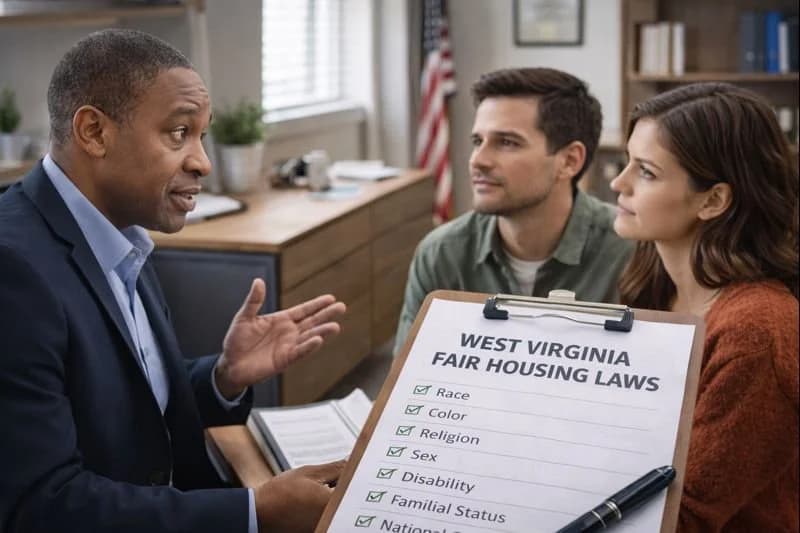
West Virginia law generally allows landlords to require renters insurance as a lease condition, provided it is applied consistently and does not violate fair-housing laws. However, even landlords who choose not to require it should strongly encourage it. Framing renters insurance as protection for the tenant — not a rule — often yields better results.
Renters insurance and older housing stock.
Many West Virginia rental properties were built decades ago. Older plumbing, electrical systems, and construction materials increase the likelihood of accidental damage. In these properties, renters insurance becomes even more valuable.
The cost of not encouraging renters insurance.
When tenants do not carry renters insurance, landlords often absorb costs indirectly: lost time, damaged relationships, increased vacancy, and legal-consultation fees. These mirror many of the financial risks discussed in The Hidden Costs Every Landlord Should Budget For.
How to introduce renters insurance without pushback.
Renters insurance should be presented as a benefit, not a threat. Landlords who explain that renters insurance protects belongings and provides peace of mind typically encounter little resistance. Providing examples — such as fire, water damage, or theft — helps tenants understand real-world relevance. The goal is education, not enforcement.
Why property managers encourage renters insurance automatically.
Professional property management companies almost universally encourage renters insurance. They have seen firsthand how it reduces disputes, protects landlords, and improves tenant accountability. For landlords managing multiple properties, adopting this best practice aligns operations with professional standards.
Final thoughts: a small step with outsized benefits.
Renters insurance is inexpensive, easy to obtain, and highly effective. Encouraging it is not about shifting responsibility — it is about clarifying it. For West Virginia landlords, renters insurance is not an extra; it is a safeguard.